

Magnesium, Potassium, and Bromelain: Well-being for Nerves and Blood Pressure

Discover how targeted supplementation with magnesium, potassium, and bromelain can support the nervous system and blood pressure in a natural and balanced way.
- Magnesium, Potassium, and Bromelain is a winning combination for the nervous system health and blood pressure.. Magnesium and potassium support nerve function and vascular health, while bromelain offers potential anti-inflammatory benefits. This article explains why this trio is effective, providing advice on dietary sources, usage guidelines, and possible contraindications.

The Role of Magnesium in the Nervous System and Blood Pressure
-
Nervous System: it acts as a cofactor in over 300 enzymatic reactions; furthermore, it plays a key role in nerve signal transmission, it modulates calcium channels, and finally it promotes muscle relaxation.
-
Blood Pressure: Clinical studies show reductions of 3–5 mm Hg (systolic) and 2–3 mm Hg (diastolic) with daily doses of 300–1,000 mg of magnesium.
-
Food Sources: Leafy green vegetables, legumes, and whole grains.
The Importance of Potassium
-
Nerve and muscle regulation: it creates the nerve action potential together with sodium; potassium deficiency can cause cramps.
-
Blood pressure: it promotes vascular relaxation; an adequate intake (2,600–3,400 mg/day) is associated with a lower risk of hypertension.
-
Balance with magnesium: both interact with each other in terms of absorption; an ideal balance improves cardiac and nervous function.
Bromelain: an anti-inflammatory enzyme
-
Digestive and anti-inflammatory activity: bromelain, which is derived from pineapple, breaks down proteins, aids digestion, and reduces inflammation.
-
Effects on the heart and blood pressure: in vitro and animal studies suggest potential antithrombotic and hypotensive effects.
Why is it recommended to take them together?
-
Vascular synergy: When taken together, magnesium and potassium improve blood vessel function, lower blood pressure, and support the cardiovascular system.
-
Support to the nervous system: Both minerals benefit the nerves and muscles.
-
Controlled inflammation: the added bromelain counteracts inflammation, supporting the cardiovascular system and improving muscle recovery.

Possible side effects and warnings
-
Magnesium overdose: it may cause diarrhea, nausea, and irregular heartbeat (especially in cases of kidney failure).
-
Excess potassium: risk of hyperkalemia; supervision is necessary when taking blood pressure medications.
-
Bromelain: generally safe, but may interact with anticoagulants; possible gastrointestinal disturbances.
-
🔺 Contraindications: pregnancy and breastfeeding, kidney or liver disease, use of medications (diuretics, ACE inhibitors, anticoagulants). Always consult a doctor.
Practical Tips
-
Take with food to optimize absorption and reduce gastrointestinal discomfort..
-
Combine with a balanced diet and mineral-rich foods (spinach, bananas, legumes).
-
Regular monitoring: check blood pressure and electrolyte levels.
-
Moderate physical exercise promotes cardiovascular and nervous system health
Recommended formulations and dosages
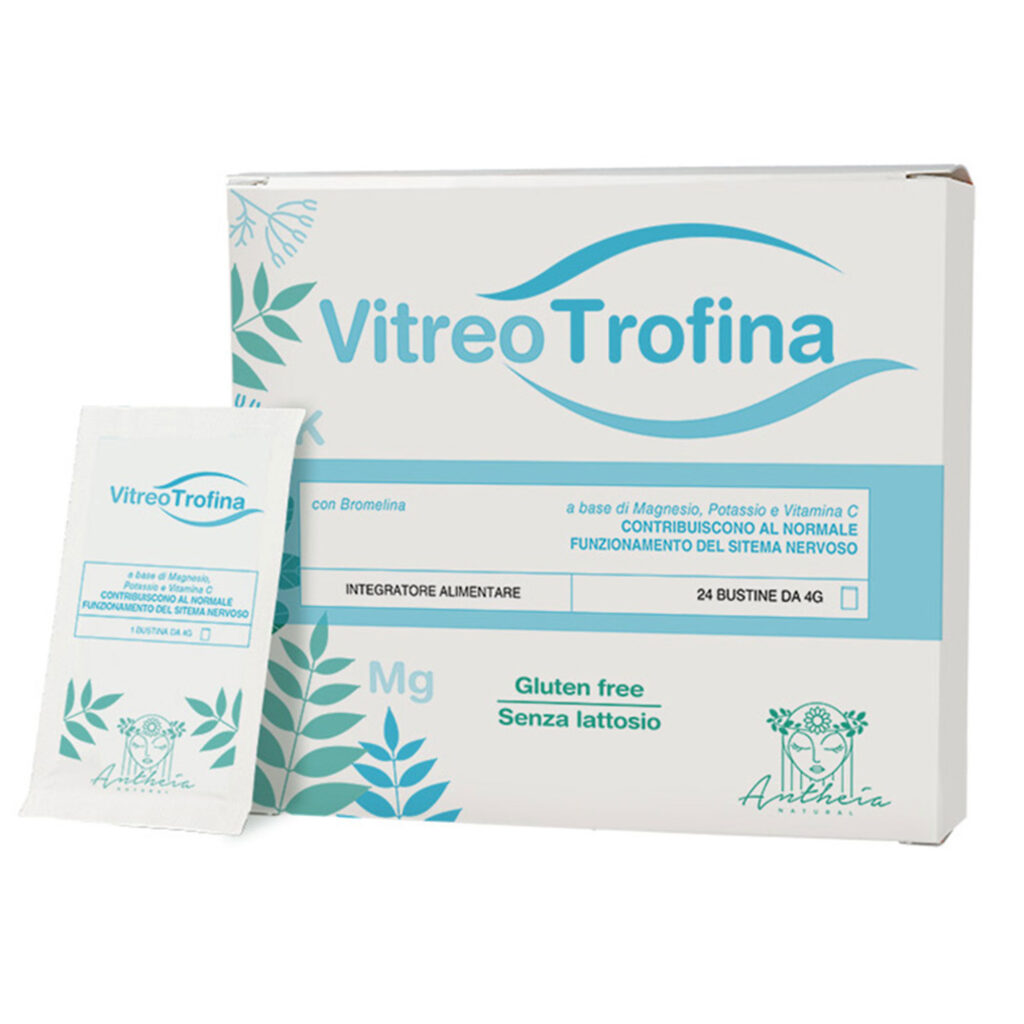
Typical example (VitreoTrofina 2 sachets):
-
Magnesium 300 mg (80% NRV)
-
Potassium 600 mg (30% NRV)
-
Bromelain 500 mg
This week’s most popular products
-
 19,90 €
Giovans
-
 24,80 €
Vitreo Trofina